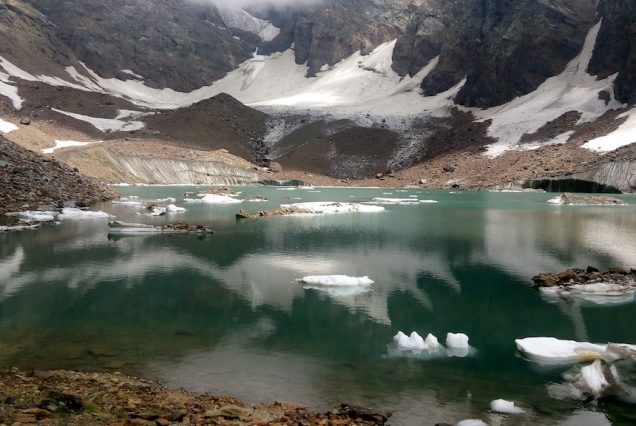
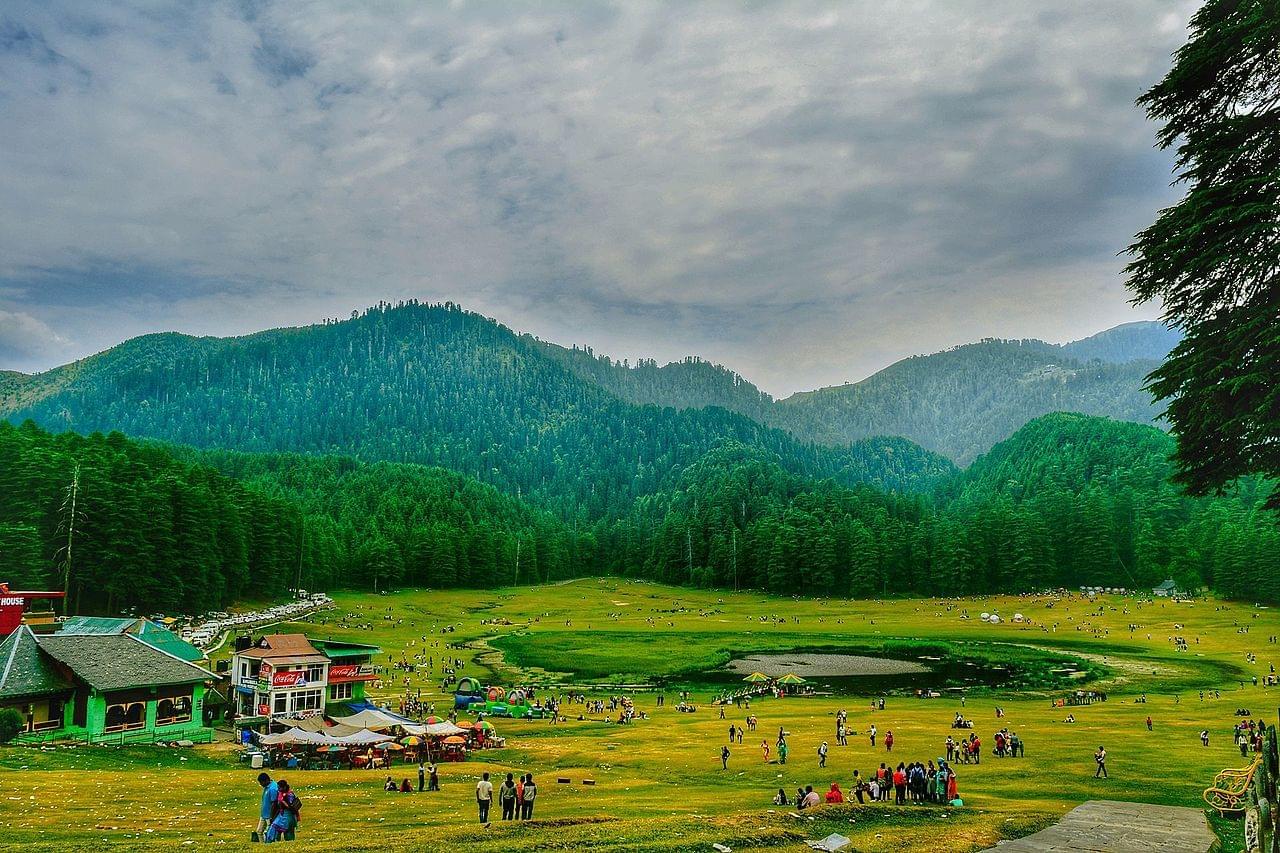
Khajjiar is a hill station in the north Indian state of Himachal Pradesh. Dating from the 12th century, Khajji Nag Temple is dedicated to a serpent god. Nearby, the high-altitude Khajjiar Lake is surrounded by cedar forest. West, Kalatop Wildlife Sanctuary is home to animals including deer and bears. Farther west, Dalhousie is a hill station with mountain views, dotted with temples and 19th-century British churches.
Sights
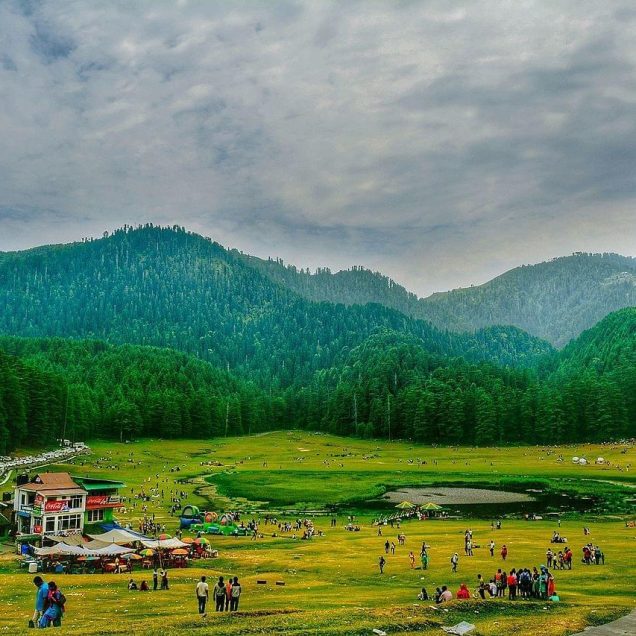

Map
Info
- Why visit Khajjiar?
- How To Reach Khajjiar
- Things to do
- Attractions
How To Reach Khajjiar
Air Travel to Khajjiar
Khajjiar does not have an airport of its own. Nearest Airport: Gaggal Airport, also known as Kangra Airport, situated in Gaggal, at a distance of 134 km.
Land Travel to Khajjiar
Khajjiar has an excellent bus network. All the neighboring towns and local spots are well connected via buses. You can opt for either Himachal Road Transport Services (state-owned buses) or private buses. Most of the locals use buses to commute because of its wide network and reasonable prices.
Train Travel to Khajjiar
Nearest railway station: Pathankot, 142 km away from Khajjiar.
Things To Do
Water Rafting in River Beas
Travellers flock to Rishikesh for Whitewater rafting, however, Manali is an equally good destination for rafting. Beas river is the most popular spot river rafting in Manali with rapids of different difficulty levels. The 20 km long stretch from Manaki to Jhiri, near Bajaura, is among the best stretches for rafting in India. With icy cold water flowing in from Rohtang, thrill-seekers and adventure enthusiasts are in for a treat.
Seek Blessings at Hadimba Temple
Located amidst the Dhungiri Van Vihar forests, the Hadimba temple is popularly referred to as the Dhungri temple by locals. The temple is of great importance to Hindu pilgrims, as it is dedicated to Hidimba Devi, the wife of Bhima who was one of the 5 brothers, in the Indian epic Mahabharata (mythological epic).
A Taste of Old Manali
Nothing like the tourist packed Mall road and main Manali market, Old Manali has a charm of its own. A paradise for backpackers, shop till you drop in this quaint town and don’t forget to brush up your bargaining skills. Old Manali is the perfect place to experience the city’s vibrant nightlife. You can either walk or rent a two-wheeler to make your way through the narrow lanes. Be sure to go here in the evening just before sun sets, to grab a hearty meal at one of the many cafes after exploring the town. This beautiful area of Manali is home to few of the many ancient temples like Hadimba and Manu temple.
A Heaven for Thrill-Seekers
Owing to the vast meadows and hilly terrain, adventure activities ought to top your list of things to do in Manali. There are ample destinations for tourists to indulge in adventure sports like rafting, paragliding and trekking. However, Solang valley is definitely one of the best spots for adventure sports in Manali. In the summers, you can enjoy activities like paragliding, water rafting and zorbing. The visibility is better during the months between March-June for paragliding, and snowfall is not a safety hazard. The cost for paragliding ranges from INR 500-1,000 to INR 2,000-5,000 depending on the duration and season. Another exciting activity here is Zorbing. The cost for zorbing is approximately INR 500 but may vary depending on the season. Zorbing lasts for 5-10 minutes and the instructor usually guides the client downhill.
Spiritual Healing at the Manali Gompa
Built in 1960 by Tibetan refugees, The Gadhan Thekchhokling Gompa Monastery is a popular Buddhist religious centre. It is also one of Manali’s main tourist attractions. The monks at Gompa monastery preach non-violence and peace and welcome tourists from all over, to meditate with them.
Tourist Attraction In Khajjiar
Kalatop Khajjiar Sanctuary
Wildlife enthusiasts should not miss an opportunity to explore wild life around the area. The Kalatop Khajjiar Sanctuary is a well-known sanctuary that houses rare species of wild animals. Bear, Leopard, Himalayan Black Marten, Barking Goral, Deer, Squirrel, Jackal, Serow and Langur are some of the animals that can easily be spotted in the sanctuary. Those interested in camping can have an amazing time at the sanctuary.
Khajjiar Lake
Khajjiar Lake situated approximately 24 kilometers from Dalhousie is a major attraction. Even during the peak summer season, the lake never dries up. It is believed that for divine reasons, a tiny island keeps floating in the lake. Horse riding and paragliding should not be missed while you are in Khajjiar.
Khajji Nag Temple
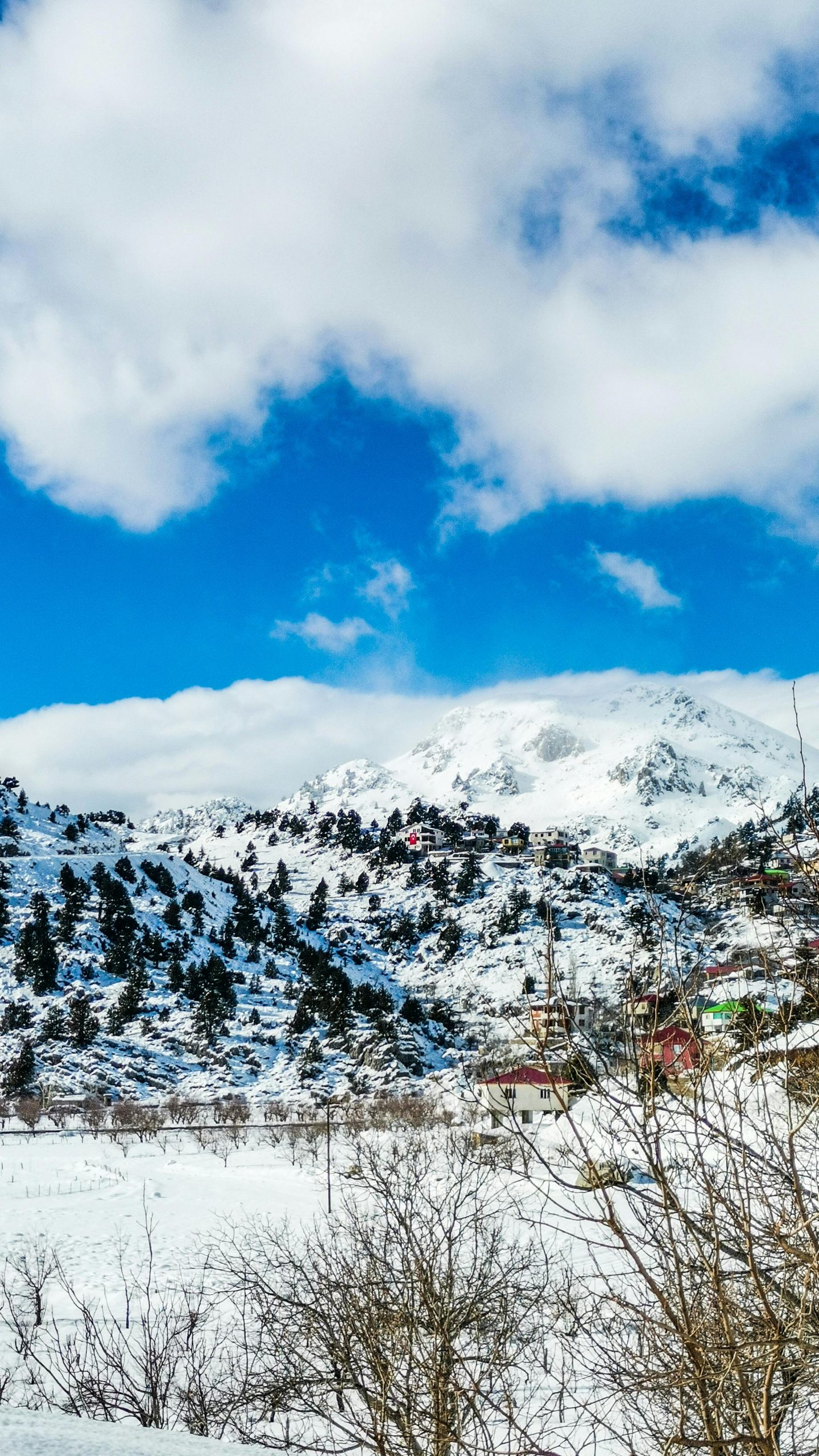
The Khajji Nag Temple is well recognized by its covered verandah and a sanctum called garba-griha. The name Khajji Nag is believed to be derived from the serpent god. The beautiful carving on the ceiling of the sanctum is attractive. The entire Khajjiar area is a magical paradise. The most appropriate time to visit Khajjiar is during the winter season, as you get to see snow in the area. The summers are fairly pleasant and for those residing in plains, the summer season is also the best time to visit the hill station in order to get away from the scorching heat.
Why Visit Khajjiar?
Why visit Khajjiar?
Savor the beauty of dense Himalayan Cedar, 6400 feet above the sea level.
Khajjiar Facts
- Khajjiar is very rich in culture and historical heritage.
- Mini Switzerland is also famous for its ancient Bronze Age metalwork, handicrafts, artifacts, pottery, and silver jewelry.
- The most famous Pahari or Khajjiar cuisine is made with extensive use of yogurt and cardamom, which makes it worth experiencing.